
How to adopt a miniature poodle and give your new companion a healthy start
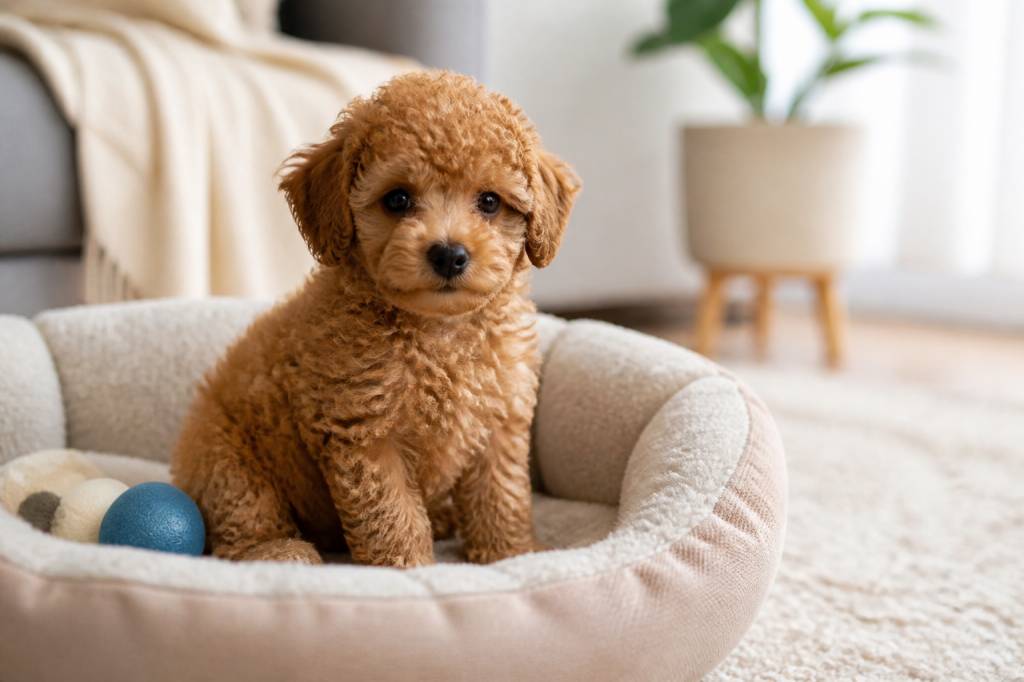
How to adopt a miniature poodle and give your new companion a healthy start
Adopting a Miniature Poodle is an exciting step. These elegant little dogs are bright, affectionate, playful, and often wonderfully tuned in to their people. Behind the curly coat and cheerful expression, however, is an intelligent companion who needs thoughtful care, gentle guidance, and plenty of daily interaction.
Whether you are adopting from a shelter, a rescue organization, or a responsible breeder, the first weeks can shape your new dog’s confidence and wellbeing. With a little preparation, you can make the transition smoother and give your Miniature Poodle a healthy, happy start.
Is a Miniature Poodle the Right Match?
Miniature Poodles are small enough for many homes, but they are not low-maintenance pets. Their compact size can be misleading: this is an active, clever breed that enjoys learning and being involved in family life.
Most Miniature Poodles need daily physical activity, mental stimulation, and companionship. A short walk around the block may be appreciated, but many dogs will also want time to sniff, play, practice tricks, or explore safely. A bored Poodle may invent entertainment of their own—and your slippers may become the main attraction.
Before adopting, consider these questions:
- Can you provide daily walks, play, and training?
- Will someone be available to offer companionship and regular bathroom breaks?
- Are you prepared for professional grooming or frequent coat care at home?
- Can you budget for veterinary visits, quality food, insurance, and unexpected care?
- Will the dog fit comfortably into your household, including relationships with children or other pets?
Miniature Poodles can thrive in apartments or houses, provided their exercise and social needs are met. A secure home environment matters more than the size of the property.
Choosing an Ethical Adoption Route
Start by contacting local shelters, Poodle rescue groups, and reputable adoption organizations. Some Miniature Poodles arrive in rescue because of changes in their family’s circumstances, not because anything is wrong with the dog. An adult dog may already have useful house manners and a known personality, which can be a lovely advantage.
When speaking with a rescue organization, ask for as much information as possible about the dog’s history. Important details include previous living arrangements, behavior around children and animals, known fears, exercise habits, eating patterns, and medical records.
If you choose a breeder, look for someone who prioritizes health, temperament, and responsible placement rather than simply producing puppies. A responsible breeder should welcome questions, allow you to see where puppies are raised when appropriate, and provide veterinary documentation. They should also be willing to discuss health screening for the parents and support the puppy after adoption.
Be cautious if a seller refuses to answer basic questions, wants to meet only in a parking lot, has many different breeds available at once, or pressures you to pay immediately. A healthy adoption process should feel transparent, not rushed.
Prepare Your Home Before Arrival
Preparing the home in advance helps your new companion settle without unnecessary stress. Miniature Poodles are observant dogs, and a calm, organized environment gives them a chance to learn at their own pace.
Create a comfortable resting area away from heavy household traffic. A crate can be useful when introduced positively, but it should never be used as punishment or for excessive confinement. A washable bed, soft blanket, water bowl, and a few safe toys are good starting points.
Look around your home from a small dog’s perspective. Electrical cords, medications, cleaning products, loose threads, toxic plants, and small objects should be removed or secured. Some Poodles are enthusiastic explorers, and their curiosity can fit into surprisingly narrow spaces.
You may also want to prepare:
- A well-fitting harness and lightweight leash
- An identification tag and updated microchip registration
- Food and water bowls that are easy to clean
- Small training treats
- A slicker brush and metal comb
- Enzyme-based cleaner for house-training accidents
- Interactive toys and food puzzles
Ask the shelter, rescue organization, or breeder what food your dog has been eating. Keeping the same diet for the first few days can prevent additional stomach upset during an already significant transition.
Schedule a Veterinary Visit Early
Arrange a veterinary appointment within the first few days or during the first week, unless the adoption organization has given you different instructions. This visit allows your veterinarian to establish a baseline and review the dog’s medical history.
The appointment may include a physical examination, weight check, vaccination review, parasite testing, and discussion of spaying or neutering. Your veterinarian can also recommend a prevention plan for fleas, ticks, heartworm disease, and intestinal parasites based on your location and lifestyle.
Miniature Poodles may be more prone to certain health concerns, including dental disease, patellar problems, eye conditions, allergies, and some inherited disorders. This does not mean your dog will develop these issues, but regular monitoring is valuable. Ask the veterinarian what signs deserve attention and how often wellness examinations should take place.
Bring all available records and write down your questions beforehand. New adopters often remember their questions halfway home—usually while holding a leash and trying to stop their dog from tasting a leaf.
Feed for Steady, Healthy Growth
Nutrition should match your Miniature Poodle’s age, size, activity level, and health status. Choose a complete and balanced food from a reputable manufacturer. Puppies need a diet designed for growth, while adults generally need food formulated for maintenance.
Portion control matters. Miniature Poodles are small dogs, so even a few extra treats can represent a significant part of their daily calorie intake. Excess weight puts additional strain on joints and may increase the risk of health problems.
Use treats thoughtfully during training and keep them small. Tiny pieces are usually enough to reward a clever dog who is eager to please. Fresh water should always be available.
A sudden diet change can cause digestive upset, so transition gradually over several days if you decide to change foods. Contact your veterinarian if vomiting, persistent diarrhea, refusal to eat, unusual tiredness, or other concerning symptoms appear.
Make Dental Care Part of the Routine
Small dogs can be particularly vulnerable to plaque, tartar, and dental disease. A Miniature Poodle’s mouth may be small, but it still requires daily attention.
Begin slowly by allowing your dog to investigate a pet-safe toothbrush and veterinary-approved toothpaste. Never use human toothpaste, as some ingredients can be harmful to dogs. Start with brief sessions, perhaps touching only a few teeth, and reward calm behavior.
Regular brushing is the most effective home care, but professional dental examinations may also be needed. Bad breath, red or bleeding gums, difficulty chewing, dropping food, or a sudden preference for soft food should not be dismissed as normal “dog breath.” They can signal discomfort.
Support the Curly Coat and Skin
The Miniature Poodle’s coat is beautiful, but it needs consistent care. Curly hair can mat close to the skin, especially behind the ears, under the legs, around the collar, and near the tail.
Brush and comb the coat regularly, using gentle movements that reach the skin without pulling. A professional groomer can show you the safest technique and help establish a suitable grooming schedule. Many Poodles are groomed every four to eight weeks, depending on coat length and lifestyle.
Keep grooming positive. Offer treats, take short breaks, and handle paws, ears, tail, and muzzle gently. If your new dog has had unpleasant grooming experiences, patience is more helpful than trying to complete everything in one session.
Check the ears regularly, particularly if the coat grows inside the ear canal. Do not insert cotton swabs deep into the ear. Ask your veterinarian or groomer to demonstrate safe cleaning and watch for redness, odor, discharge, or frequent scratching.
Build Trust During the First Weeks
A newly adopted dog may not immediately show their true personality. Some dogs are exuberant from day one, while others need days or weeks to relax. Keep the first few days predictable and quiet. Avoid overwhelming your Miniature Poodle with visitors, busy outings, or constant handling.
Use a gentle routine for meals, walks, rest, and bathroom breaks. Predictability helps dogs understand what to expect and can reduce anxiety.
House training should be approached with patience. Take your dog outside after waking, eating, drinking, playing, and resting. Reward success immediately with praise or a small treat. If an accident happens, clean it thoroughly and avoid punishment. Scolding may create fear without teaching the desired behavior.
Some adopted dogs may experience separation-related distress. Begin with very short absences and gradually increase the time, always staying below the point where your dog becomes panicked. Food puzzles, calm departures, and professional guidance can help. If your dog barks continuously, damages doors, escapes, or becomes highly distressed when alone, consult a qualified behavior professional or veterinarian.
Use Positive Training and Mental Enrichment
Miniature Poodles are famously intelligent, and training is one of the best ways to keep their minds busy. Use reward-based methods that reinforce behaviors you want to see. Harsh corrections can damage trust and may increase anxiety.
Begin with simple skills such as responding to their name, coming when called, sitting, waiting briefly, and walking calmly on a leash. Keep sessions short—five minutes can be surprisingly productive—and finish while your dog is still interested.
Enrichment can include:
- Sniffing walks where your dog can explore safely
- Food puzzles and stuffed, durable toys
- Gentle games of fetch or tug
- Learning new tricks
- Searching for hidden treats around one room
- Calm handling practice for grooming and veterinary care
Socialization does not mean introducing your dog to everyone and everything at once. It means offering calm, positive exposure to people, sounds, surfaces, vehicles, and other animals while respecting your dog’s comfort level. Let your Poodle observe from a safe distance and reward relaxed behavior.
Protect Joints and Encourage Safe Exercise
Miniature Poodles are lively, but exercise should be appropriate for age and physical condition. Puppies need plenty of rest and should not be pushed into long, repetitive runs. Adult dogs often enjoy walks, play, and training, but sudden increases in activity can lead to strains.
Keep nails trimmed so your dog can walk comfortably and maintain good traction. At home, rugs or runners may help prevent slipping on smooth floors. Avoid encouraging repeated jumping from high furniture, especially if your dog has joint concerns.
Watch for limping, reluctance to climb stairs, difficulty rising, or a sudden change in activity. These signs deserve veterinary attention rather than an assumption that your dog is simply having a quiet day.
Create a Partnership for Life
The healthiest start is not about doing everything perfectly. It is about noticing your dog, responding with kindness, and building reliable habits one day at a time. Your Miniature Poodle may need time to trust you, learn your routines, and feel at home.
Offer nutritious food, preventive veterinary care, regular grooming, gentle training, safe exercise, and plenty of affection. In return, you may gain a companion who follows you from room to room, celebrates ordinary moments, and somehow knows exactly when you have opened a snack.
With patience and thoughtful care, adopting a Miniature Poodle can become the beginning of a deeply rewarding relationship—one filled with learning, laughter, soft curls, and many happy walks together.