Adorable non shedding dogs for a cleaner, happier home
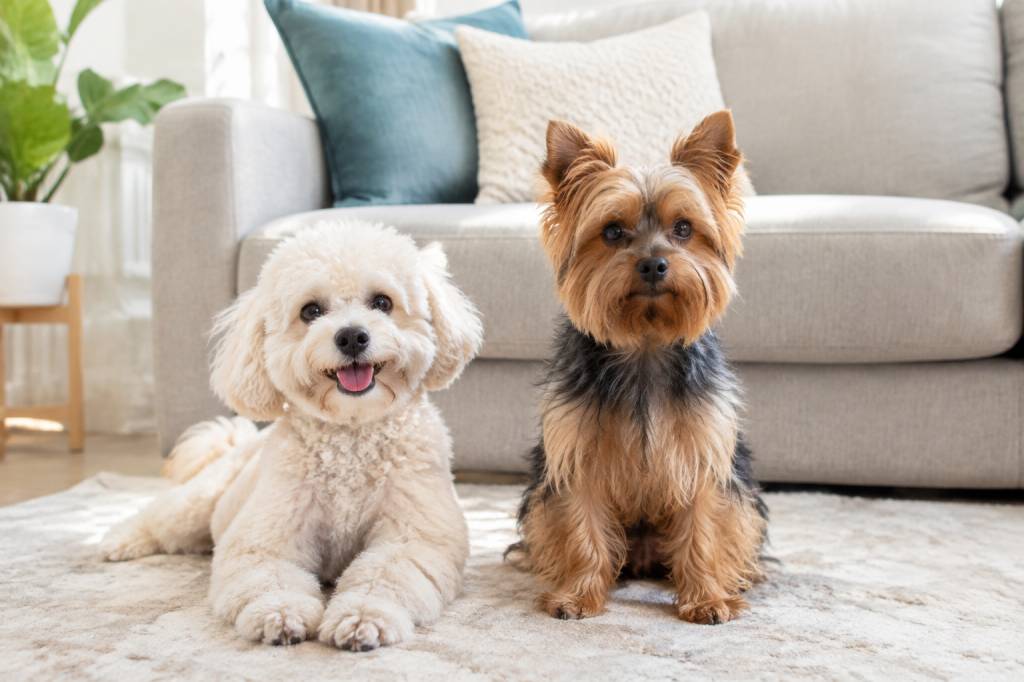
Adorable non shedding dogs for a cleaner, happier home
Want to enjoy the companionship of a dog without finding a furry layer on every sofa, sweater, and freshly washed blanket? You are not alone. Many families love dogs but worry about shedding, cleaning, or allergies. The good news is that several adorable breeds shed very little and can make wonderful companions for a cleaner, happier home.
Before choosing a dog, it is important to understand what “non-shedding” really means. No dog is completely hair-free, and every dog loses at least a small amount of hair naturally. However, some breeds have hair that grows continuously or curls around loose strands, so much less ends up floating around your home. These dogs are often called low-shedding or non-shedding dogs.
They still need regular grooming, but the trade-off can be a home with fewer tumbleweeds under the furniture and fewer hairs stuck to your favorite black jeans. As always, the best dog is one whose personality, exercise needs, and care requirements match your lifestyle.
What makes a dog “non-shedding”?
Dogs have different coat types, and this affects how much hair they leave behind. Breeds with curly, wiry, or continuously growing coats tend to shed less noticeably than dogs with thick double coats. Instead of falling out immediately, loose hair may remain trapped in the coat until it is brushed or clipped.
This does not mean these dogs are maintenance-free. In fact, many low-shedding breeds need more grooming than heavy shedders. Regular brushing prevents tangles, while professional trimming may be needed every few weeks. A neglected coat can become uncomfortable and even painful when mats pull on the skin.
It is also worth remembering that allergies are usually triggered by proteins found in a dog’s dander, saliva, and urine—not simply by hair. A low-shedding dog may be easier for some allergy sufferers, but no breed can guarantee an allergy-free experience. Spending time with a dog before adoption is a wise step.
Adorable low-shedding dog breeds to consider
Every dog is an individual, but the breeds below are well known for their charming personalities and coats that shed very little.
Poodle: clever, elegant, and wonderfully versatile
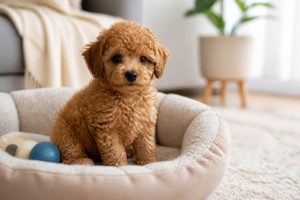
Poodles come in toy, miniature, and standard sizes, making it easier for families to find a good match. Their curly coats shed very little, and their intelligence makes them highly trainable. Poodles are often graceful and polished in appearance, but beneath those fancy haircuts are playful dogs who enjoy games, walks, and plenty of interaction.
A Poodle may thrive in an active household that enjoys teaching tricks, exploring parks, or practicing dog sports. They can also be sensitive and deeply attached to their people. A bored Poodle may invent its own entertainment, which could include rearranging cushions or supervising every kitchen activity.
Daily brushing is important, and professional grooming is usually needed every four to eight weeks. Their coats can be styled in many ways, from a practical short trim to a more traditional look.
Bichon Frise: a cheerful little cloud
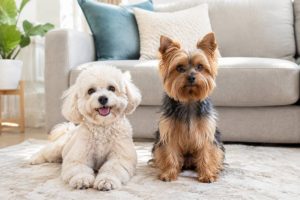
With a round face, bright eyes, and a soft white coat, the Bichon Frise looks like a living puffball. This affectionate breed is known for its happy personality and ability to bring a little sunshine into ordinary days.
Bichons are often friendly, adaptable, and comfortable in apartments or houses, provided they receive daily play and companionship. They usually enjoy being part of family life and may become unhappy if left alone for long periods.
Their curly coat sheds minimally but needs frequent brushing to prevent mats. Regular baths, eye-area cleaning, and professional trimming help maintain their fluffy appearance. Many Bichon families keep the coat in a shorter “puppy cut” that is easier to manage.
Portuguese Water Dog: energetic and affectionate
The Portuguese Water Dog has a curly or wavy coat that sheds very little. Originally bred to work alongside fishermen, these dogs are athletic, intelligent, and eager to participate in family activities.
This is a wonderful choice for people who enjoy hiking, swimming, long walks, or active outdoor games. Portuguese Water Dogs are often affectionate and devoted, but they need both physical exercise and mental stimulation. A quick walk around the block may not satisfy a dog whose ancestors spent their days working on the water.
Weekly brushing and routine professional grooming are usually necessary. Their coat can be trimmed in a retriever clip or a traditional lion clip, depending on your preference and lifestyle. If you have ever watched one joyfully leap into a pond, you will understand why a towel by the door is essential.
Schnauzer: spirited, loyal, and distinctive
Schnauzers are available in miniature, standard, and giant sizes. Their wiry coats shed very little, while their expressive eyebrows and bearded faces give them a memorable appearance.
Miniature Schnauzers can adapt well to smaller homes, while standard and giant Schnauzers generally need more space and exercise. Across all sizes, they tend to be alert, intelligent, and loyal. Early socialization and consistent, positive training are especially helpful because Schnauzers can be confident and protective.
Their coats require brushing and may benefit from hand-stripping or regular clipping. Their beards can collect food and water, so a gentle wipe after meals may help keep your dog—and your furniture—cleaner.
Shih Tzu: a loving companion for relaxed homes
Shih Tzus were bred to be companion dogs, and they take that role seriously. They are affectionate, charming, and often happiest when curled up beside their favorite person. Their long, flowing coat sheds very little, although it needs consistent care.
A Shih Tzu can be a good fit for apartment living and families who prefer moderate exercise. Short walks and indoor play may be enough, but these dogs still need attention, training, and opportunities to explore safely.
Daily brushing is essential if the coat is kept long. Many families choose a shorter trim that makes grooming simpler and keeps the dog comfortable. Because Shih Tzus have short muzzles, they can be sensitive to heat. Walks should be planned during cooler parts of the day, especially in summer.
Maltese: tiny, graceful, and affectionate
The Maltese is famous for its silky white coat and gentle, loving nature. Despite their delicate appearance, these small dogs can be lively and playful. They often form strong bonds with their families and enjoy being included in daily routines.
Maltese dogs shed very little, but their coat can tangle easily. Daily brushing, careful bathing, and regular face cleaning help prevent knots and staining around the eyes. A shorter haircut is often practical for busy households.
Because they are small, Maltese dogs need gentle handling around young children. They can also be surprisingly confident, so kind early training helps them become polite, well-adjusted companions rather than tiny household managers.
Yorkshire Terrier: a small dog with a big personality
Yorkshire Terriers, affectionately known as Yorkies, have hair that resembles human hair more than a typical dog coat. They shed very little, but their long hair requires regular brushing and trimming.
Yorkies are lively, curious, and often bold. They may be small enough to fit in a travel carrier, but they do not always think of themselves as small. Mental stimulation, short walks, and positive training can help channel their confidence.
Their coat may be kept long for a glamorous appearance or trimmed short for easier care. Dental health deserves special attention, as small breeds can be prone to dental problems. Daily tooth brushing and regular veterinary checks are valuable habits.
Havanese: playful, social, and soft-coated
The Havanese is Cuba’s national dog and is loved for its silky, low-shedding coat and joyful personality. These dogs are generally social, affectionate, and eager to spend time with their people.
Havanese dogs often enjoy learning tricks, playing with toys, and accompanying their families on outings. They can be a good choice for homes seeking a friendly companion, but they may struggle with long periods of isolation. Gentle independence training can help prevent separation-related stress.
Their coat needs regular brushing, especially behind the ears, around the legs, and under the collar. A shorter, manageable haircut can make daily care easier while preserving their sweet, shaggy charm.
Soft Coated Wheaten Terrier: joyful and family-friendly
The Soft Coated Wheaten Terrier has a silky, wavy coat that sheds very little. These medium-sized dogs are known for their happy expressions, playful nature, and enthusiasm for family life.
Wheatens are active and benefit from daily walks, games, and training. They can be excitable when young, so patient guidance and early socialization are important. Their playful “Wheaten greeting” may involve a great deal of bouncing, especially when visitors arrive.
Regular brushing is necessary to prevent mats, and professional grooming can help maintain the coat’s shape. This breed may suit an active family that wants a cheerful companion with enough energy for outdoor adventures.
How to keep a low-shedding dog’s coat healthy
A low-shedding coat still deserves a thoughtful grooming routine. The exact schedule depends on the breed, coat length, age, and lifestyle, but these habits can help:
- Brush your dog regularly using tools suited to the coat type.
- Check areas that tangle easily, including behind the ears, under the legs, and around the collar.
- Book professional grooming appointments before the coat becomes difficult to manage.
- Bathe your dog when needed with a gentle, veterinarian-approved shampoo.
- Dry the coat thoroughly, especially if it is thick or curly.
- Trim nails regularly and check the ears for redness, odor, or excess wax.
- Introduce grooming slowly with treats, praise, and short sessions.
Positive grooming experiences make a big difference. When I introduced brushing to my own dog, I started with just a few gentle strokes while offering tiny treats. Over time, the brush became a familiar part of our routine rather than a dreaded appointment. Patience is often more useful than perfection.
Are low-shedding dogs better for allergy sufferers?
They may be easier for some people, but there are no guarantees. Allergic reactions vary from one dog to another, even within the same breed. Before bringing a dog home, spend time indoors with adult dogs of that breed and observe how you feel afterward.
Keeping the home clean can also reduce allergens. Wash bedding regularly, vacuum soft furnishings, use washable throws on favorite resting places, and keep the dog’s grooming area easy to clean. An air purifier with a suitable filter may be helpful for some households.
Most importantly, do not rely on online claims that a breed is completely hypoallergenic. Honest expectations help protect both the family and the dog.
Choosing the right dog for your home
Coat type is only one part of the decision. Consider the dog’s energy level, size, temperament, grooming costs, and need for companionship. A low-shedding dog that needs extensive daily exercise may not be the best match for a quiet household. Likewise, a cuddly companion may struggle in a home where everyone is away all day.
Speak with responsible breeders, reputable rescues, and veterinarians. Ask about inherited health concerns, grooming needs, exercise requirements, and typical temperament. Adult rescue dogs can be especially helpful for families who want a clearer idea of personality and energy level.
The goal is not a perfectly spotless house—life with a dog will always include muddy paws, scattered toys, and the occasional mysterious crumb. The goal is a comfortable home where people and pets can thrive together. With the right breed, regular grooming, and plenty of affection, a low-shedding dog can bring warmth, laughter, and companionship without overwhelming your cleaning routine.