
Adopt a border collie near me: what to know before bringing one home
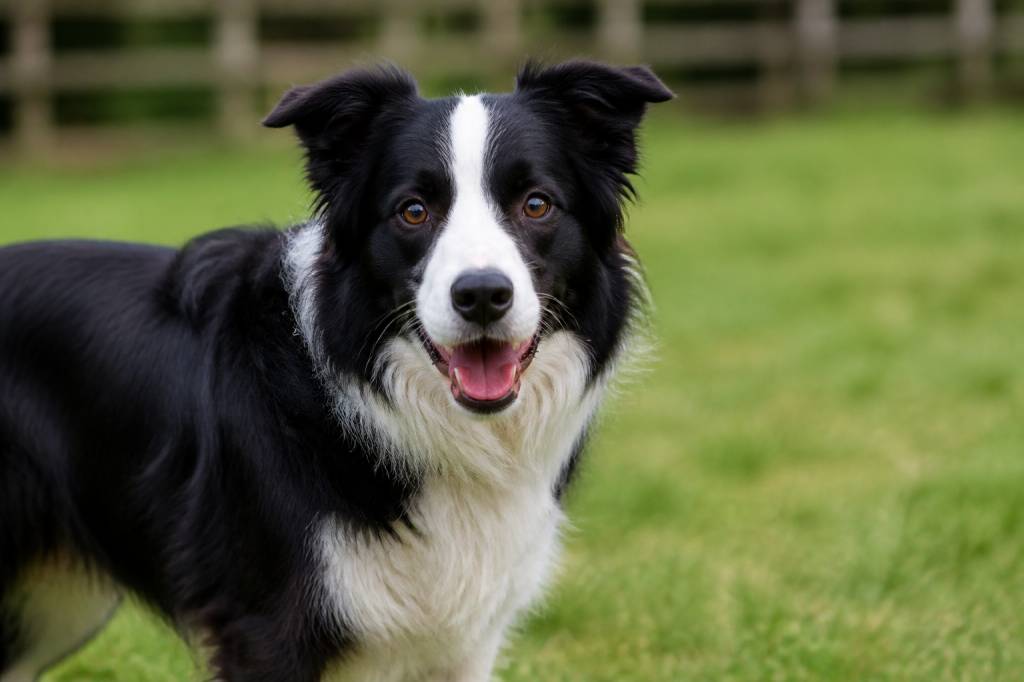
Adopt a border collie near me: what to know before bringing one home
Searching for “adopt a Border Collie near me” is an exciting first step toward welcoming an extraordinary companion into your life. Border Collies are intelligent, affectionate, athletic, and wonderfully expressive. They can learn an impressive number of cues, notice the smallest changes in your mood, and turn an ordinary walk into a full outdoor adventure.
They are also busy dogs with strong working instincts. A Border Collie is not simply looking for a sofa, a food bowl, and a short stroll around the block. Before bringing one home, it is important to understand what this breed needs emotionally, physically, and mentally. The right preparation can help you build a happy relationship and avoid surprises for both you and your future dog.
Why Border Collies Need Thoughtful Placement
Originally developed to herd sheep, Border Collies were bred to observe, think independently, respond quickly, and work closely with people. Those qualities make them brilliant companions, but they also mean that boredom can become a real problem.
A Border Collie without enough activity may invent a job. That job could involve herding children, chasing bicycles, reorganizing the laundry, barking at every squirrel, or digging a tunnel beneath the fence. These behaviors are rarely signs of a “bad” dog. More often, they show that the dog needs appropriate outlets for energy and curiosity.
Every individual is different. Some Border Collies are constantly on the move, while others are calmer and happy to relax after an active morning. Rescue organizations can help you learn about a dog’s personality, energy level, history, and habits before you make a decision.
Where to Look for a Border Collie Near You
Begin with reputable local shelters, municipal animal services, foster-based rescue groups, and breed-specific Border Collie organizations. Searching online is useful, but do not rely on a single listing or a charming photograph. A good rescue group should be willing to answer questions openly and should care about matching each dog with the right home.
When contacting an organization, ask whether the dog has been living in a foster home. Foster caregivers often know details that are difficult to observe in a shelter, including how the dog behaves around visitors, cats, children, other dogs, household noises, and periods of separation.
You can also ask your veterinarian, local trainers, and pet supply stores whether they know of established rescue groups in your area. Responsible organizations typically provide clear adoption procedures rather than rushing people into an emotional decision.
- Check local animal shelters and humane societies.
- Search for Border Collie or herding-dog rescue groups in your region.
- Ask whether the dog has received a veterinary examination.
- Look for information about vaccinations, parasite prevention, and sterilization.
- Ask for an honest description of the dog’s behavior, including challenges.
- Be cautious of sellers or organizations unwilling to answer basic questions.
Questions to Ask Before Adoption
A responsible adoption conversation should feel like a two-way discussion. The rescue group will want to know about your home and routine, and you should feel comfortable asking detailed questions in return. No dog is perfect, and honest information gives you the best chance of creating a successful match.
- How old is the Border Collie, and what is known about the dog’s background?
- Why did the dog enter rescue or the shelter system?
- How does the dog behave with adults, children, dogs, and cats?
- Has the dog shown guarding, fear, reactivity, or separation-related behavior?
- What does a typical day look like for this dog?
- Is the dog comfortable being handled, groomed, and examined?
- What training has already been started?
- What food, medication, and routine does the dog currently follow?
- Has the dog displayed herding behaviors such as chasing or nipping?
Try to meet the dog more than once if possible. A first meeting can be exciting and overwhelming, especially in a shelter environment. A second visit may reveal a more relaxed personality. If you already have a dog, ask whether a supervised introduction can take place on neutral ground.
Can Your Lifestyle Meet a Border Collie’s Needs?
Before adopting, look honestly at your daily schedule. How much time can you devote to exercise, training, enrichment, and companionship? A Border Collie may cope well with a quiet day occasionally, but a routine built around long absences and minimal activity may not be a comfortable fit.
Physical exercise is important, but it is only part of the picture. Many Border Collies become tired more effectively when their bodies and minds work together. A brisk walk followed by scent games, obedience practice, or a food puzzle is often more satisfying than simply walking for hours.
Useful activities may include hiking, swimming, fetch with clear rules, agility foundations, rally obedience, nose work, herding-inspired games, and trick training. You do not need to become a competitive dog sport enthusiast. Even five or ten minutes of thoughtful training can make a meaningful difference.
Ask yourself:
- Can I provide daily activity in every season and type of weather?
- Do I enjoy training and learning with a dog?
- Can I afford veterinary care, quality food, grooming, equipment, and classes?
- Who will care for the dog when I travel or work late?
- Is my housing suitable for an active dog?
- Can I commit to this dog for the rest of its life?
A large yard can be helpful, but it does not replace interaction. A Border Collie may happily run around a yard for a few minutes and then return indoors looking for a new project. A secure fence is also essential because many dogs of this breed are quick, determined, and very interested in movement beyond the property line.
Preparing Your Home Before the First Day
Preparation makes the transition gentler. Set up a quiet resting area where your new companion can retreat without being disturbed. This could be a crate, a bed in a calm corner, or a gated room. The space should feel safe, never like punishment.
Gather basic supplies before adoption day:
- A well-fitted collar and identification tag.
- A secure harness and sturdy leash.
- Food and water bowls.
- Food recommended by the rescue or veterinarian.
- A comfortable bed and washable blankets.
- Chew toys, puzzle feeders, and interactive toys.
- Enzymatic cleaner for occasional accidents.
- Baby gates or exercise barriers if needed.
- A grooming brush suited to the dog’s coat.
Inspect your home from a dog’s perspective. Secure medications, cleaning products, electrical cords, toxic plants, and small objects that could be swallowed. Check gates, doors, and windows carefully. A newly adopted dog may try to escape during the first few days because everything feels unfamiliar.
The First Days Should Be Calm
It is natural to want to introduce your new dog to everyone immediately. However, a quiet beginning is often kinder. Keep the first few days predictable. Offer regular meals, short walks, bathroom breaks, gentle interaction, and plenty of rest.
Some dogs become very affectionate right away. Others need time before they feel safe enough to relax. A Border Collie who seems reserved at first may reveal a playful, funny personality after several weeks. Let the relationship develop at the dog’s pace.
During the first week, avoid crowded dog parks, long outings, and a full schedule of visitors. Too much stimulation can lead to stress, even in a confident dog. Watch for signs such as excessive panting, pacing, hiding, lip licking, repeated yawning, or sudden irritability. These signals mean your dog may need a break.
One of my favorite reminders for new adopters is that a rescue dog does not arrive with an instruction manual—but the dog is communicating constantly. Soft eyes, a relaxed body, and an easy sigh can tell you as much as a formal behavior assessment.
Training a Border Collie With Kindness and Consistency
Border Collies usually enjoy learning, but their intelligence can make inconsistent training especially confusing. Establish simple household rules from the beginning. If jumping on guests is not allowed, everyone should respond in the same way. If furniture is off limits, provide a comfortable alternative rather than correcting the dog after the fact.
Reward-based training is an excellent choice. Use small treats, praise, toys, or access to a favorite activity to reinforce behavior you want to see again. Keep sessions short and varied. Repeating the same exercise too long may cause frustration or creative disobedience—Border Collies can be remarkably inventive when they think a lesson is dull.
Teach practical skills such as responding to their name, coming when called, walking calmly on a leash, settling on a mat, leaving objects alone, and waiting at doors. Recall training deserves special attention because a fast dog can disappear in seconds if a gate opens.
Herding behavior may appear as staring, stalking, circling, chasing, or nipping at moving heels. Punishment can increase anxiety and does not teach the dog what to do instead. Redirect the behavior toward a toy, a structured game, or a trained cue. If nipping or chasing is intense, work with a qualified reward-based trainer.
Health Care and Grooming
Arrange a veterinary appointment soon after adoption, even if the rescue has already provided medical records. Your veterinarian can review vaccinations, parasite prevention, dental health, weight, nutrition, and any ongoing treatment.
Border Collies can be prone to certain inherited or breed-associated concerns, including hip and elbow problems, eye disorders, epilepsy, and sensitivity to some medications. This does not mean every Border Collie will develop these conditions. It does mean that regular checkups and a clear medical history are valuable.
Ask the veterinarian about appropriate exercise for the dog’s age. Puppies need play and training without excessive repetitive impact, while older dogs may benefit from gentle walks, swimming, and mobility support. Maintaining a healthy weight is one of the simplest ways to protect joints throughout life.
The breed’s double coat generally needs regular brushing, especially during seasonal shedding. Brushing removes loose hair and gives you a chance to notice skin irritation, lumps, parasites, or sore areas. Frequent bathing is not usually necessary unless the dog gets particularly muddy—or discovers a mysterious puddle with suspicious enthusiasm.
Food, Enrichment, and Daily Routine
Feed a complete diet appropriate for your dog’s age, size, health, and activity level. Sudden food changes can upset the digestive system, so transition gradually unless your veterinarian advises otherwise. Treats should be included in the daily calorie balance, particularly for dogs who enjoy frequent training rewards.
Enrichment does not need to be expensive. Hide kibble around a safe room, offer a stuffed food toy, practice scent searches, teach a new trick, or allow your dog to sniff during a relaxed walk. Sniffing is not wasted time; it is valuable information gathering and can help a busy mind settle.
A balanced day might include:
- A morning walk with time for sniffing.
- A short training session before breakfast.
- A food puzzle or safe chew while you work.
- Rest periods in a quiet area.
- An afternoon game, hike, or structured activity.
- A calm evening routine with gentle interaction.
Building a Lasting Partnership
Adopting a Border Collie is not about finding the most energetic dog or the one who performs the most tricks during a shelter visit. It is about finding a companion whose needs fit your home and whose personality connects with your own.
Give your new dog time, clear guidance, veterinary care, and meaningful activities. Celebrate small progress: sleeping peacefully, choosing a toy instead of chasing the cat, walking past a distraction, or relaxing beside you after a busy day. These quiet moments are often where trust takes root.
With patience and understanding, a rescued Border Collie can become a devoted partner for walks, training, play, and everyday life. Before searching for the nearest adoption listing, prepare to offer something even more important than space in your home: a stable routine, a thoughtful relationship, and the chance to feel truly understood.