


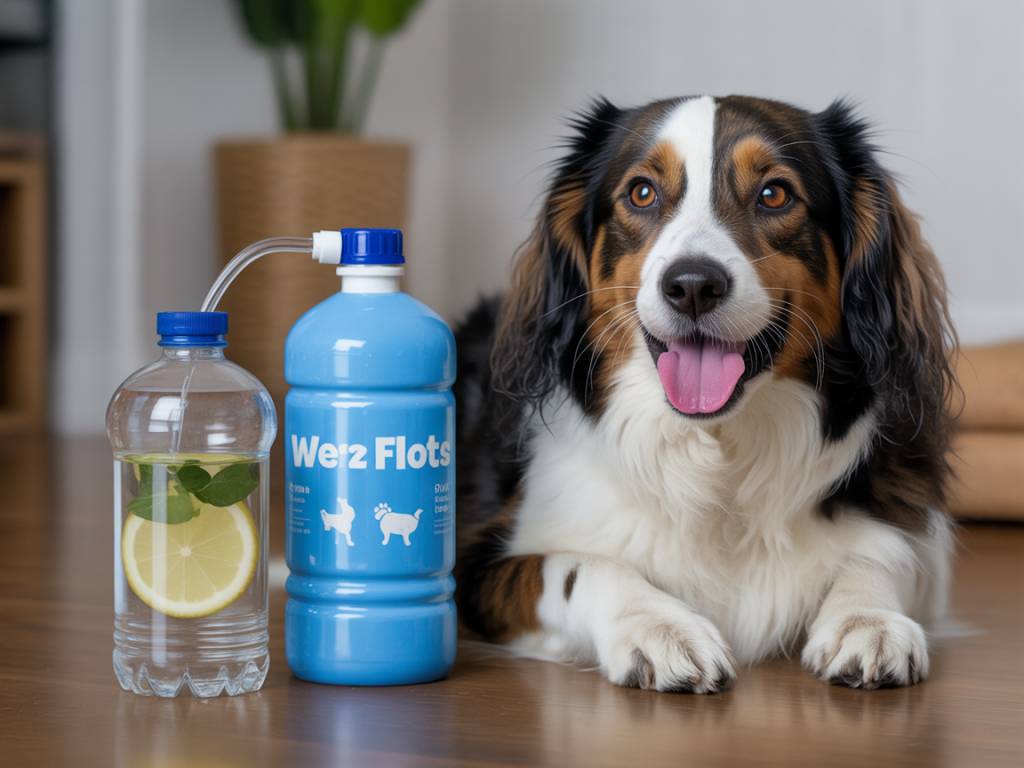
Keeping a pet properly hydrated is one of the simplest ways to support long-term health, yet it is often overlooked until a problem appears. For cat owners especially, hydration deserves close attention because cats naturally tend to drink less than many people expect. Some pets do well with a bowl of fresh water alone, while others benefit from moisture-rich food, strategic bowl placement, fountains, or in certain situations, veterinarian-approved electrolyte support. The right approach depends on your pet’s age, diet, activity level, health status, and even personality.
If you are trying to build a smart hydration routine for your cat or dog, the goal is not to force one method for every household. Instead, it is to understand how water intake, wet food, and electrolyte support work together so you can choose the safest and most effective combination. Hydration is not just about preventing thirst. It helps the body regulate temperature, support digestion, cushion joints, and keep the kidneys and urinary tract functioning well.
Why hydration matters more than many pet parents realize
Water is essential for nearly every function in a pet’s body. When a pet does not get enough fluids, the effects can appear gradually or suddenly. Some pets become lethargic, constipated, or less interested in food. Others may develop urinary issues, especially cats, who are more prone to concentrated urine and bladder problems when they do not consume enough moisture.
In cats, hydration plays a major role in urinary health. Cats in the wild get much of their moisture from prey, which is why many domestic cats do not naturally compensate well for a dry-food-only diet. Dogs can also become dehydrated, particularly during hot weather, after exercise, with vomiting or diarrhea, or if they have certain medical conditions.
Because dehydration can progress quickly, it is helpful to know the signs that your pet may need more fluids.
- Dry or tacky gums
- Reduced energy or unusual tiredness
- Decreased appetite
- Constipation
- Dark or strong-smelling urine
- Panting more than usual in dogs
- Sunken eyes in more serious cases
Start with the basics: making sure your pet drinks enough water
The first and most natural hydration strategy is simple access to clean, fresh water. Many pets drink adequately when the water source is appealing and easy to reach. That said, a surprising number of cats are picky about their bowls, the water temperature, the location, or even whether the water tastes stale.
To encourage better water intake, think like your pet. Cats often prefer water sources that are separate from food and litter boxes. Some prefer a wide, shallow bowl that does not touch their whiskers. Others prefer running water because it feels fresher and more interesting. Dogs may drink more if the bowl is placed in a consistent, easy-to-find spot and refilled regularly.
Here are practical ways to improve water consumption at home:
- Change water at least once daily, and more often if it becomes dirty
- Use stainless steel, ceramic, or BPA-free bowls
- Place multiple water stations around the house
- Keep bowls away from litter boxes and noisy appliances
- Try a pet fountain if your cat likes moving water
- Wash bowls regularly to prevent buildup and odor
- Offer cool, not icy, water in warmer weather
Monitoring how much your pet drinks can also be useful. You do not need to measure every sip, but if your cat or dog suddenly drinks much more or much less than usual, it may signal an issue that deserves veterinary attention. Increased thirst can be associated with kidney disease, diabetes, certain medications, and other medical conditions.
How wet food can support hydration in a meaningful way
Wet food is one of the most effective ways to increase a cat’s daily moisture intake because it contains far more water than dry kibble. For many cats, wet food is not just a dietary preference; it can be part of a healthier hydration strategy. Dogs can also benefit from moist food, especially if they are older, recovering from illness, or reluctant to drink enough water.
For cats, wet food can be especially valuable when used consistently rather than only occasionally. It may help support urinary health, improve satiety, and make meals more appealing for cats with reduced appetite. Many pet owners find that mixing a portion of wet food into a routine meal plan increases total fluid intake without requiring force.
There are a few important points to keep in mind when using wet food as part of a hydration plan:
- Choose a complete and balanced formula appropriate for your pet’s life stage
- Do not assume all canned foods are equally moist; some are more gravy-based while others are pâté-style
- Transition gradually if your pet is used to dry food to avoid stomach upset
- Store opened cans safely and discard food that has been left out too long
- Pay attention to calorie content so hydration support does not lead to overfeeding
Some pet parents worry that wet food is only useful for “fussy” cats, but that is not the case. Even cats who drink from a bowl every day can benefit from the extra water in wet food. In fact, relying on thirst alone may not be enough for cats, since many do not have a strong natural drive to drink enough for ideal hydration.
If your cat refuses all wet food, try warming it slightly to enhance aroma, mixing in a little extra water, or offering different textures. Some pets need several attempts before accepting a new food format.
When electrolyte support may help, and when it should not be used casually
Electrolytes such as sodium, potassium, and chloride help regulate fluid balance, nerve function, and muscle activity. In pets, electrolyte support can be useful in specific situations, but it is not a universal solution for everyday hydration. This is an area where caution matters. Giving electrolyte products without veterinary guidance can be unhelpful or even harmful, especially for pets with kidney disease, heart disease, or certain metabolic conditions.
Electrolyte support may be considered when a pet has mild fluid loss from heat, exercise, or temporary illness, but only if a veterinarian recommends a particular product or approach. A pet with vomiting, diarrhea, severe lethargy, refusal to drink, or signs of significant dehydration should be evaluated by a veterinarian promptly rather than managed at home with supplements alone.
Use extra caution with homemade electrolyte recipes or human sports drinks. These are not designed for pets. Some contain ingredients, sweeteners, or sodium levels that are inappropriate for animals. Instead, ask your veterinarian whether an oral rehydration solution or other medically appropriate product is suitable.
Electrolyte support may be more relevant when:
- A veterinarian has identified mild dehydration and approved a specific product
- Your pet has experienced short-term fluid loss from heat or activity
- Your pet is recovering from an illness and needs a temporary hydration plan
- Your veterinarian is monitoring a chronic condition and recommends targeted support
Electrolytes should not be treated as a replacement for access to water or as a substitute for medical evaluation when a pet appears unwell.
Choosing the right strategy for your cat or dog
The best hydration strategy is often a layered one. For many pets, the winning combination is fresh water available at all times, plus wet food to increase moisture intake, and veterinarian-directed electrolyte support only when medically appropriate. The exact balance depends on your pet’s needs.
If you live with a healthy adult cat who eats dry food, you may start by improving access to water and adding some wet food a few times a week or daily. If your cat already eats wet food exclusively and seems to drink little, that may still be fine, because the food itself contributes a substantial amount of moisture. If your pet has a history of urinary issues, your veterinarian may recommend a higher-moisture feeding pattern as part of a broader management plan.
For dogs, hydration needs can vary with size, breed, age, and activity. Active dogs, senior dogs, and pets in hot climates may need more careful monitoring. Dogs that are recovering from illness or taking certain medications may also require closer attention to fluid intake.
When deciding on a plan, ask yourself these questions:
- Does my pet reliably drink water throughout the day?
- Is my pet eating mostly dry food, mostly wet food, or a combination?
- Has my pet ever had urinary, kidney, digestive, or heat-related issues?
- Does my pet avoid drinking because of bowl type, location, or household routine?
- Would a fountain, extra bowls, or a food change make a difference?
Red flags that mean it is time to call the veterinarian
While many hydration improvements can be made at home, some symptoms require professional help. Dehydration can become serious quickly, and it is especially risky for kittens, senior pets, and animals with existing health conditions.
Contact your veterinarian if you notice:
- Refusal to drink for more than a day
- Repeated vomiting or diarrhea
- Marked lethargy or weakness
- Very dry gums or signs of severe dehydration
- Straining to urinate or frequent litter box visits with little output
- Sudden increase in drinking or urination
- Any concern after heat exposure or illness
In cats, changes in litter box habits deserve special attention. A cat who is urinating less, crying in the box, or repeatedly attempting to urinate may have a urinary blockage or another urgent condition. In that case, hydration strategy alone is not enough, and immediate veterinary care is necessary.
Building a hydration routine that works in real life
The most effective hydration plan is one you can maintain consistently. A fancy fountain or specialized food will not help if it is not used regularly. Aim for simple, repeatable habits that fit your household.
For example, you might refresh water each morning, offer wet food at one or two meals per day, and check that your cat is urinating normally. You may keep a fountain in one room and a ceramic bowl in another. If your pet is recovering from an illness, your veterinarian may recommend a more specific plan with closer monitoring.
Consistency matters because hydration is cumulative. A pet that drinks a little more every day, eats moisture-rich meals, and receives prompt care when sick is far better supported than a pet whose fluid intake swings widely from day to day.
As a pet owner, your job is not to guess blindly. It is to observe patterns, make small improvements, and partner with your veterinarian when something does not look right. That thoughtful approach helps protect your pet’s comfort, kidney health, urinary tract function, and overall well-being.
Lisa Tissed