


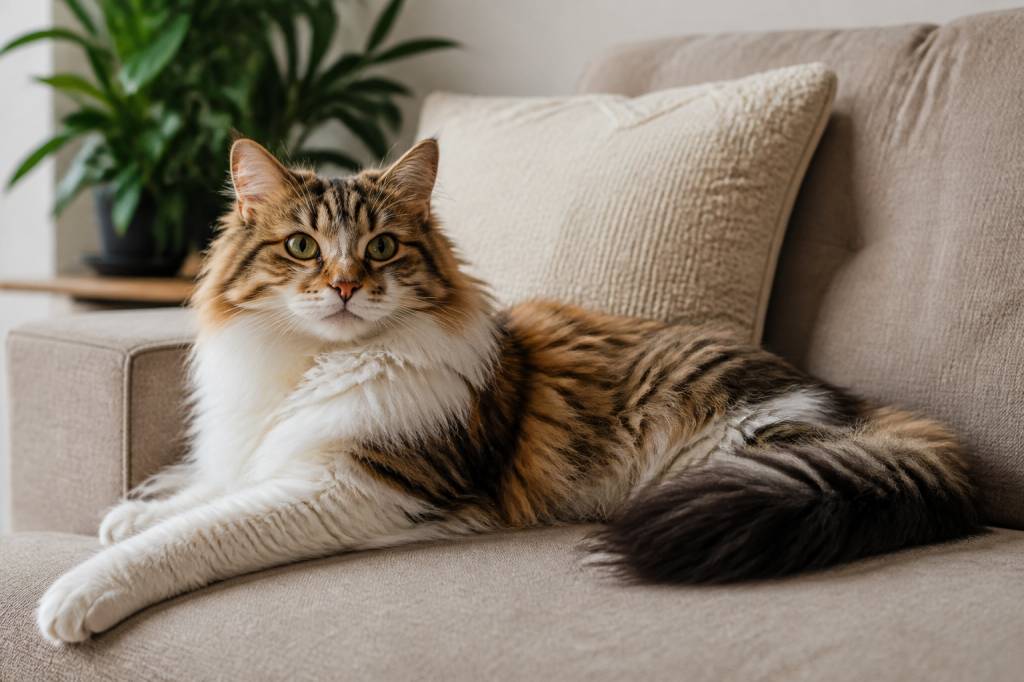
Long-haired cats have a special kind of magic. Their flowing coats, fluffy tails, and soft cheeks can make them look like tiny lions—or very elegant clouds with whiskers. But behind all that beauty is a little extra responsibility. If you are thinking about adopting a long-haired cat, the best preparation is to understand their grooming, health, nutrition, and emotional needs before bringing one home.
Whether you fall in love with a Persian, Maine Coon, Ragdoll, Norwegian Forest Cat, or a beautiful mixed-breed cat at your local shelter, a long coat should never be the only reason you choose a companion. Personality, age, health, and compatibility with your household matter just as much. With the right care, a long-haired cat can become a joyful, affectionate member of your family for many years.
Choose the right cat for your household
Adoption begins with an honest look at your lifestyle. Long-haired cats are not all alike. Some are playful and energetic, while others are calm lap cats. Some enjoy busy homes with children and other pets; others feel happiest in a peaceful environment.
When visiting a shelter, rescue organization, or responsible breeder, ask questions about the cat’s temperament and history. A shelter team may know whether the cat enjoys being handled, tolerates brushing, or prefers to have plenty of personal space.
A mature long-haired cat may be a wonderful choice for someone who wants a calmer companion. A kitten can be adorable, of course, but kittens require patience, socialization, play, and veterinary care. Their coat may also change significantly as they grow, so the fluffy little kitten you meet today may develop a very different adult appearance.
Prepare your home before adoption day
A new cat benefits from a quiet introduction. Prepare one comfortable room where your companion can settle in safely for the first few days. Include food and water bowls, a litter box, a scratching post, a cozy bed, and a few toys.
Long-haired cats can be particularly sensitive to changes in their environment. A calm room gives them time to become familiar with new scents and sounds without feeling overwhelmed. Let your cat approach you rather than immediately reaching for them. Sitting quietly nearby and speaking in a gentle voice can be more reassuring than enthusiastic cuddles.
Before your cat arrives, look around the home from a curious feline’s point of view. Secure loose electrical cords, remove toxic plants, and keep small objects out of reach. Check windows and balconies carefully. Long-haired cats may look majestic, but they are still perfectly capable of making questionable decisions at three in the morning.
It is also helpful to purchase grooming supplies in advance:
Make grooming a pleasant routine
Regular brushing is the most important part of caring for a long-haired cat. It removes loose fur, reduces shedding, helps prevent mats, and limits the amount of hair your cat swallows while self-grooming. It also gives you a chance to notice changes in the skin, coat, or body.
Many long-haired cats need brushing several times a week. Cats with very dense or silky coats may need daily attention. The exact schedule depends on the coat type, age, lifestyle, and season. During spring and fall shedding periods, you may find that the brush seems to collect enough fur to build a second cat.
Introduce grooming gradually, especially if your adopted cat has had unpleasant experiences in the past. Begin with a few gentle strokes on an area your cat enjoys, such as the shoulders or cheeks. Offer a small treat and stop before your cat becomes restless. Slowly increase the time over several sessions.
Work gently through areas that commonly tangle:
Never pull sharply on a mat. Mats can be painful because they tug on the skin and may hide irritation, wounds, or parasites. Small tangles can sometimes be loosened carefully with your fingers and a comb. Large, tight mats should be handled by a professional groomer or veterinarian. Cutting mats with household scissors is risky because cat skin is delicate and can easily be caught in the blades.
Keep the coat clean without over-bathing
Healthy cats are excellent self-groomers, so most long-haired cats do not need frequent baths. Too many baths may dry the skin and create unnecessary stress. A bath may be useful when the coat is heavily soiled, greasy, or contaminated with something unsafe, but use only products made for cats.
Human shampoo can irritate feline skin and may contain ingredients that are unsafe if licked. If your cat needs regular bathing because of a medical condition, ask your veterinarian which shampoo and schedule are appropriate.
Pay special attention to hygiene around the hindquarters. Soft stool, urinary accidents, or litter can cling to long fur. Keeping the litter box clean reduces this problem and encourages good bathroom habits. If your cat frequently has messy fur, your veterinarian can check for digestive issues, mobility problems, obesity, or other conditions that make self-cleaning difficult.
Support healthy skin and a beautiful coat through nutrition
A luxurious coat begins with good nutrition. Choose a complete and balanced cat food appropriate for your cat’s age, health, and lifestyle. Kittens, adults, seniors, and cats with medical conditions can have different nutritional needs.
Protein is especially important because cats are obligate carnivores. A suitable diet also needs the right balance of fats, vitamins, minerals, and essential fatty acids. Omega-3 fatty acids may support skin health, but supplements should not be added casually. Some products are unsuitable for cats, and excessive supplementation can cause harm.
Fresh water should always be available. Some long-haired cats drink more readily from a fountain or a wide, shallow bowl that does not press against their whiskers. Wet food can also contribute to daily moisture intake, although the best feeding plan depends on your cat’s individual needs.
Weight management matters, too. Overweight cats may struggle to groom themselves properly, leading to mats and skin irritation. Ask your veterinarian to help you identify an ideal body condition and portion size. Treats are lovely for training and bonding, but they should remain a small part of the daily diet.
Pay attention to hairballs
Because long-haired cats swallow more fur, they may be more likely to develop hairballs. Occasional coughing up of a hairball can happen, but frequent vomiting, repeated retching, constipation, diarrhea, loss of appetite, or lethargy should not be dismissed as “just hairballs.”
Regular brushing is the safest first step for reducing swallowed fur. Never give a laxative or hairball remedy without veterinary advice. Some products may not be appropriate for your cat, and repeated hairball problems can sometimes point to skin disease, excessive grooming, allergies, anxiety, or digestive trouble.
If your cat repeatedly grooms one area until it becomes thin or bald, look beyond the coat. Fleas, pain, allergies, and stress can all trigger excessive licking. A veterinarian can help identify the cause rather than simply treating the visible symptom.
Schedule preventive veterinary care
A veterinary visit soon after adoption is an important part of giving your cat a healthy start. Even if your new companion appears well, a checkup can uncover concerns that are easy to miss beneath a thick coat.
Your veterinarian may recommend vaccinations, parasite prevention, microchipping, sterilization, dental care, and screening tests based on your cat’s age and history. Ask for a careful skin and coat examination, especially if your cat arrived with mats or has been living outdoors.
Some long-haired breeds may have inherited health risks. For example, Persian cats can be prone to breathing and eye issues depending on their facial structure, while Maine Coons may have a higher risk of certain heart conditions. Mixed-breed cats can also develop health problems, so preventive care is valuable for every cat—not only pedigreed companions.
Arrange regular checkups and contact the clinic if you notice:
Protect dental health and everyday comfort
Dental disease is common in cats and can be painful even when they continue eating normally. Begin dental care slowly with guidance from your veterinarian. A cat-safe toothbrush and toothpaste can help reduce plaque, but human toothpaste should never be used.
Trim your cat’s nails when needed, particularly if they are not worn down naturally by scratching. Provide sturdy scratching posts in places your cat already enjoys. Scratching is not bad behavior; it is normal exercise, communication, and nail maintenance. A good scratching post can save both your furniture and your patience.
Long-haired cats also need daily opportunities to play and explore. Wand toys, puzzle feeders, climbing furniture, and gentle interactive games support physical and mental health. Even a quiet cat benefits from short play sessions. My own older cat once ignored every expensive toy in the house in favor of a paper bag, which was both humbling and financially reassuring.
Help your cat feel safe and loved
Health is more than a shiny coat. Emotional wellbeing matters just as much. Give your adopted cat predictable routines for meals, play, grooming, and rest. Provide hiding places and elevated spots where your cat can observe the household without being disturbed.
Some cats enjoy being brushed and may eventually come running when they see the comb. Others need more time. Respect body language such as flattened ears, a twitching tail, tense muscles, or attempts to move away. A short, positive session is far more useful than forcing a frightened cat to endure a long grooming session.
With patience, gentle care, and regular veterinary support, adopting a long-haired cat can be a deeply rewarding experience. The coat may require a little extra work, but the companionship, purrs, and soft presence they bring into your home are wonderful rewards. Start slowly, keep grooming kind, and remember that a healthy cat is not defined by perfect fur—it is a cat who feels safe, comfortable, nourished, and loved.