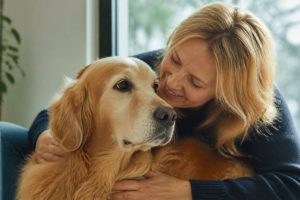
Adoptable australian shepherds: what to know before bringing one home
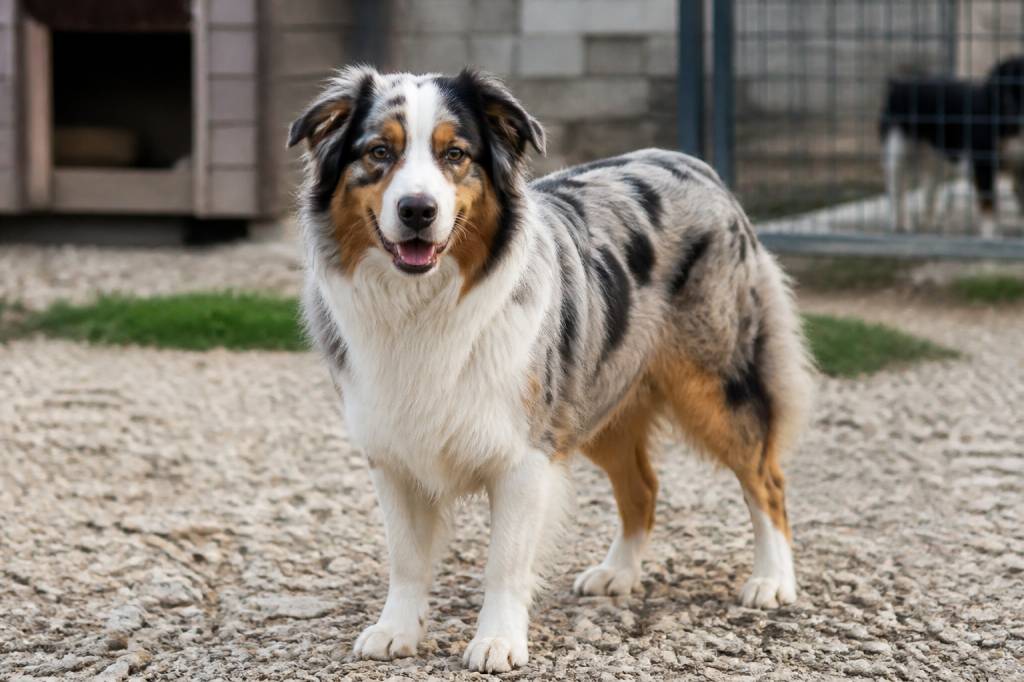
Adoptable australian shepherds: what to know before bringing one home
Is an Australian Shepherd the right fit for your home?
Adoptable Australian Shepherds have a way of winning people over quickly. They are bright, expressive, loyal, and often beautifully eager to connect with their humans. If you have ever met an Aussie with those alert eyes and endless energy, you know the feeling: they seem to ask, “What are we doing next?”
But that enthusiasm comes with responsibility. An Australian Shepherd is not a low-maintenance companion, and that is especially important to understand before adopting one. Many of the dogs waiting in shelters or rescues are wonderful, adaptable pets, but they usually thrive best with people who can meet their physical and mental needs consistently. In other words, this is a breed that does best when life is shared, not when it is left to “figure itself out.”
If you are considering bringing one home, it helps to know what daily life with an Aussie really looks like. The good news? With the right match and preparation, they can be incredibly rewarding family dogs.
The Australian Shepherd personality: brilliant, active, and deeply attached
Despite the name, Australian Shepherds were developed in the United States as herding dogs. That herding background shapes almost everything about them: their quick thinking, high energy, sharp awareness, and tendency to stay close to their people.
Many adopters fall in love with the breed because they are affectionate and deeply bonded. An Aussie often wants to be in the middle of family life, whether that means joining a hike, following you from room to room, or lying at your feet while you work. They tend to be sensitive dogs too, which means they often respond best to calm, consistent guidance rather than harsh correction.
At the same time, that intelligence can be a double-edged sword. A bored Aussie may invent a job for itself, and that job may involve barking, herding children, pacing, chewing, or trying to “organize” the household. Not ideal, unless your dream home runs like a small livestock operation.
What adoptable Aussies need most: exercise and mental stimulation
If there is one thing to understand before adopting an Australian Shepherd, it is this: walks alone are usually not enough. They are active dogs that need both body work and brain work.
Daily exercise should be substantial and varied. Some Aussies enjoy running, hiking, agility, fetch, swimming, or long games of tug. Others are happiest with a mix of walks, training sessions, and play. The exact amount will depend on age, health, and temperament, but many adults need at least one to two hours of activity daily.
Just as important as physical exercise is mental enrichment. These dogs love having a purpose. That can look like:
- basic obedience practice
- puzzle toys and sniffing games
- trick training
- agility or rally work
- food-dispensing toys
- hide-and-seek games with treats or toys
A tired Aussie is usually a happier, more relaxed companion. A mentally fulfilled Aussie often settles more easily than one who has simply been walked around the block and left to their own devices.
Grooming: more coat care than many first-time adopters expect
Australian Shepherds are famous for their gorgeous coats, but beauty comes with upkeep. Their medium-length double coat sheds year-round, with heavier seasonal shedding in spring and fall. If you prefer a spotless couch, this is the part to think about carefully.
Regular brushing helps reduce tangles, remove loose fur, and keep the coat and skin healthier. Many owners find that brushing two to three times a week works well, with more frequent grooming during shedding seasons. A pin brush, slicker brush, or undercoat rake may be helpful, depending on coat type.
Bathing does not need to be constant, but occasional baths help keep them clean, especially if your dog enjoys outdoor adventures. It is also a good idea to get them comfortable with nail trims, ear checks, and handling early on. That makes routine care much easier over time.
One small but useful note: some Aussies have longer hair around the ears, feet, and tail that can collect dirt and debris. A quick check after walks or outdoor play can save you from surprise burrs later. Your future vacuum cleaner will thank you too.
Training matters early, and it matters often
Australian Shepherds are highly trainable, which is one reason they are so beloved. They tend to learn quickly and enjoy working with people. But intelligence alone does not create a well-mannered dog. Without training, many Aussies become expert problem-solvers in all the wrong ways.
Positive reinforcement works especially well with this breed. Treats, toys, praise, and clear routines usually get better results than forceful methods. Because Aussies can be sensitive, they may shut down if training feels too harsh or unpredictable.
Focus on the basics first:
- house training
- crate training
- name recognition
- recall
- loose-leash walking
- impulse control
- calm greetings
Socialization is equally important. A well-socialized Aussie is more likely to feel confident around new people, dogs, noises, and environments. That does not mean forcing them into overwhelming situations. It means offering gentle, positive exposure at a pace they can handle.
If you are adopting an adult dog, ask the rescue or shelter what training they already know and what challenges have been observed. Some adopted Aussies arrive with a strong foundation, while others need patience and a fresh start. Both can succeed with the right structure.
Common health considerations to keep in mind
Like all breeds, Australian Shepherds have some health issues potential adopters should know about. Adoption is not about expecting perfection; it is about being prepared and realistic.
Some conditions seen in the breed include hip dysplasia, elbow issues, certain eye conditions, epilepsy, and sensitivity to some medications related to the MDR1 gene mutation. Not every Aussie will have these concerns, but it is wise to ask about health history when possible.
Eye exams, orthopedic evaluations, and regular veterinary care can make a meaningful difference in catching problems early. If you are adopting an older Aussie, it is helpful to ask about arthritis, mobility, vision, and any previous injuries. A senior dog may still have plenty of joy to give, but their needs may be a little different from those of a young adult.
Another thing to remember is that high energy does not always mean perfect health. A dog may still run, play, and seem cheerful while quietly dealing with discomfort. That is why regular checkups and noticing changes in behavior matter so much.
What kind of home suits an Australian Shepherd?
Aussies can adapt to many living situations, but they usually do best in homes that can provide structure, activity, and companionship. A big yard is not mandatory, but it is not a substitute for engagement either. A dog with a fenced yard and no interaction will still be bored.
They often thrive with:
- active individuals or families
- people who enjoy training and dog sports
- predictable routines
- plenty of human interaction
- access to exercise and enrichment
They may be less suited to homes where everyone is gone for long hours every day unless there is a solid plan for dog care and stimulation. They can also be a challenging match for someone looking for a very mellow, low-energy pet.
Families with children should also consider the herding instinct. Some Aussies may try to nip at heels, chase running kids, or “manage” movement in the house. This behavior can often be redirected with training, but it is important to expect it rather than being surprised by it. Supervision and teaching children how to interact respectfully with the dog are both essential.
Questions to ask before adopting one
A good adoption match starts with good questions. If you are speaking with a shelter or rescue, try to learn as much as you can about the dog’s history and daily habits.
- How old is the dog, and is the age estimate accurate?
- What is their activity level like in the shelter or foster home?
- How do they behave around other dogs?
- How do they respond to strangers?
- Do they have any known medical issues?
- Have they lived with children, cats, or other pets?
- Are they house-trained or crate-trained?
- What triggers stress or overexcitement?
- What does a normal day look like for them?
When possible, meet the dog more than once. A first meeting can be exciting for everyone, but a second interaction often gives a clearer picture of temperament. If the dog is in foster care, ask the foster family what they enjoy most about the dog and what situations are still difficult. Those answers are often more helpful than a generic breed description.
Bringing an Aussie home: the first days matter
The first days in a new home can shape how smoothly an adoption unfolds. Australian Shepherds often notice everything, so a calm, organized introduction can help them settle more comfortably.
Start with a safe space: a crate, a quiet room, or a gated area with a bed, water, and a few toys. Keep the schedule simple at first. Regular potty breaks, short walks, light training, and quiet rest time will help them adjust.
It is also wise to avoid overloading them with too many visitors, dog park trips, or new experiences all at once. Even a confident dog may need time to decompress. Think of it as letting them unpack their emotional suitcase before asking them to meet the whole neighborhood.
Keep household rules consistent from day one. If the dog is not allowed on the sofa, everyone should follow that rule. If they are allowed on the sofa, make sure the same applies every time. Mixed messages can be confusing for any dog, but especially for a smart one.
How to help an adopted Aussie succeed long term
Once the adjustment period passes, success usually comes down to routine, enrichment, and patience. Australian Shepherds do best when they know what to expect and have regular outlets for their energy.
A few habits can make life easier for everyone:
- keep a steady daily schedule
- rotate toys to keep interest high
- practice short training sessions often
- make rest time part of the routine
- watch for signs of overstimulation
- reward calm behavior, not just excitement
It is also helpful to remember that many adopted dogs need time to show their true personality. Some arrive shy, cautious, or overly enthusiastic because shelter life is stressful. Once they feel safe, their real temperament often emerges. That can be one of the most rewarding parts of adoption: watching a dog slowly relax and begin to trust.
A dog with a big heart and a big job to do
Adoptable Australian Shepherds can make extraordinary companions for the right household. They are intelligent, loyal, affectionate, and often delightfully goofy once they feel at home. They also need more attention, training, and activity than many people expect. That is not a flaw; it is simply part of who they are.
If you are prepared for an active life, enjoy teaching and learning alongside your dog, and want a companion who will likely stay very, very interested in everything you do, an Aussie may be a wonderful match. And when you see that first relaxed sigh after a good walk, a training game, and a safe place to rest, it can feel like the beginning of a beautiful partnership.
For many adopters, that is the real joy: not finding a “perfect” dog, but building a life that helps a dog finally feel at home.